
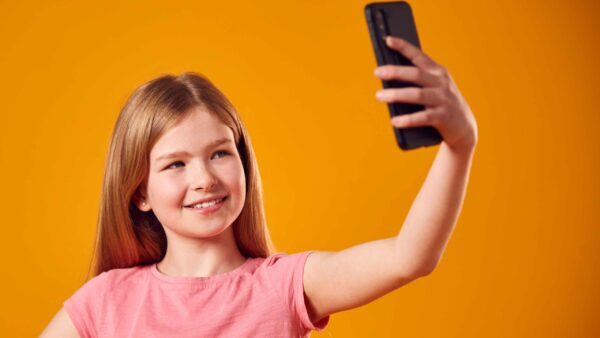
Instagram has become inseparable from the way children grow up digitally. Its mechanisms of comparison, visibility, and validation shape how young users perceive themselves and others. This article explores the hidden effects and early signs parents should pay attention to.
How Instagram Reshapes Children’s Perception of Themselves and Others
The phrase “picture-perfect” rarely survives contact with a 12-year-old’s screen. What they see isn’t just images – it’s a ranking of faces, lives, and holidays. And the child, scrolling after school, doesn’t just browse, they compare.
Read also: Soft2Bet Invest: Mission, Strategies, and Market Impact
Instagram and kids are bound together by an economy of image and status. Research points to a direct correlation between prolonged exposure to visual content and increased anxiety, especially in girls. Although numbers might not say it all.
There’s a noticeable shift: kids start evaluating themselves not through internal awareness, but through external templates. The feed shows filters, trends, and “natural” artificiality. And this affects them faster than most adult reasoning can intervene.
But the problem isn’t the filters. It’s repetition. Algorithms serve similar-looking faces, lifestyles, behaviors. Children start to feel like this is not an alternative — it’s a standard. And if they don’t match, they vanish.
What Parents Notice: Behavioral Red Flags
In the yard, holding a phone. At the table – same. Even in the doctor’s office, briefly: fingers scrolling through images, silently. Then a pause. Long press on the screen. A sigh. Withdrawal.
Some changes are not immediate. They build over time, like residue. Below are a few red flags worth watching:
- Sudden self-criticism after viewing posts (“I’m not pretty like that”, “I’ll never look like this”)
- Isolation triggered by posting content (waiting for likes causes tension)
- Compulsive need to be “in the shot” (even in casual, home environments)
- Sleep disruptions after evening use (screen exposure + emotional overstimulation)
- Reduced satisfaction with real events (if it wasn’t posted, “did it even happen?”)
It’s not just screen time. It’s the after-effect. What happens after a session — how they breathe, speak, look around. That’s where impact becomes visible.
Sharenting and the Public Display of Childhood
Sharenting — a blend of sharing and parenting, has become a fixture of digital family life. Parents post images of their children: recitals, vacations, missing teeth. These snapshots become public files.
Inside families, this practice often goes unspoken. It’s assumed kids “don’t mind.” But as they grow, awareness of their digital footprint sharpens. And not always comfortably.
There’s a pattern: kids raised in constant visibility often develop anxiety related to image control. They resist “bad” photos, fear online missteps, and pursue self-editing compulsively.
That doesn’t make sharenting inherently wrong. But the public display of childhood requires reflection. Sometimes it’s enough to ask: “Do you want this photo online?” — and interrupt the cycle.
When Filters Become Identity Templates
It doesn’t always start with insecurity. Often, it begins with imitation. Children experiment with poses, angles, and captions they’ve seen before. At first, it seems like play, creative mimicry. But repetition erodes intent. Before long, they’re not creating content. They’re recreating expectations.
Some kids adjust their faces unconsciously when the camera opens. They tilt, squint, soften their expressions, chasing an imagined algorithm. Parents might see it as vanity, but it’s deeper: it’s adaptive behavior in a space where being seen matters more than being.
There are stories, whispered between parents, of children deleting photos because “my nose looked wrong” or “it only got five likes.” These aren’t isolated cases. They’re signals.
What Families Can Do – Without Panic
 Not every child using Instagram is at risk. But most are affected. The goal isn’t to ban or block, it’s to observe and engage.
Here are a few subtle interventions that can support healthier habits:
- Frame posting as reflection, not validation
- Co-watch reels or stories and discuss emotions evoked
- Normalize imperfections — not just in talk, but in what parents post themselves
- Allow children to “opt out” of family photos meant for social media
- Delay first account creation until emotional regulation is stronger
When digital life is treated like emotional terrain, not just screen time, parenting shifts. We stop policing and start listening.
Is Your Child Ready for Social Media? A Readiness Checklist
Age is not the same as readiness. Technically, Instagram is for users 13 and up. But bypassing that limit takes a few clicks.
Parents often ask not “when?” but “why not?” The answer is layered. Psychological maturity isn’t tied to a number — it reveals itself in how a child reacts: to criticism, to attention, to comparison.
Here are some indicators worth considering:
- Ability to self-regulate emotions
(if they get overwhelmed easily, Instagram may intensify it) - Awareness of what’s real vs. curated
(do they know everyone has off days — even influencers?) - Openness to content dialogue
(a child who shares what they see and how they feel builds protection) - Basic digital hygiene habits
(screen limits, turning off notifications, knowing algorithms exist)
This isn’t about banning. It’s about co-navigation. Instagram isn’t harmful by default, like a mirror, it reflects. And what matters is who’s looking, and how.